


SpaceX has launched the first of its broadband satellites into low-orbit. With it, billionaire Elon Musk is closer than ever to achieving his dream: A constellation of 4,425 Starlink satellites circling the globe to bring humanity one gigabyte/second speed broadband. What could this spell for blockchain?
A few years ago, the world’s real-life Tony Stark declared his intention to launch a litany of satellites into space. Intending to lower broadband costs, Musk’s vision is to dominate the airwaves with SpaceX broadband tech all over the planet. SpaceX has proposed an additional 7,500 satellites in the future for even greater capacity boosting and latency reduction. However, there are no timelines on this yet.
In mid-2019, Phase One of this dream materialized. A few days ago, SpaceX successfully sent off the first batch of 60 Starlinks for their perpetual trip around the planet.
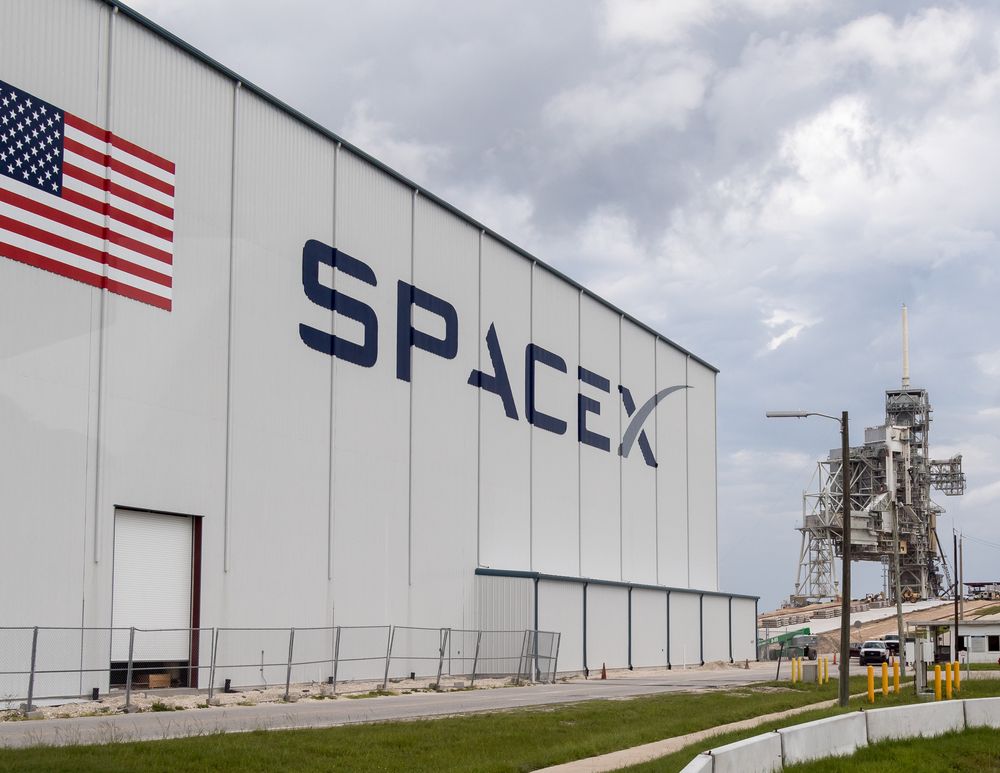
Elon Musk Isn’t Bullish, But He’s Interested
Elon is a powerful guy. One tweet from him and the markets twirl. Sometimes it’s Tesla investors (the SEC has since come up with a list of Twitter rules stipulating what he’s not allowed to talk about). Sometimes it’s the Bitcoin/Dogecoin/Ethereum communities quick speculation on the meaning of random tweets Musk makes regarding various cryptocurrencies. He’s praised Bitcoin’s structure for being “quite brilliant” and he’s opinionated that paper money will die and crypto is here to stay. Note that the SpaceX mogul vehemently denies being Sathoshi Nakamoto.
What he’s not been outspoken about, on Twitter or elsewhere, is blockchain technology. Although Ethereum’s Vitalik Buterin and Binance CEO Changpeng Zhao have both tried to woo Musk to their wares.
Is There a Future Between SpaceX and Blockchain?
There’s just no way to tell. Speculation is a game the internet loves to play. True, Musk is no stranger to either alternative payment platforms (PayPal). Neither to new, revolutionary technologies set to disrupt the world as we know it (think pretty much anything he does). But that’s not an indication that Musk will swoop in and take the community and their coins mainstream. Whether that‘s through funding space travel with cryptocurrency (a la Zhao’s suggestion), or introducing blockchain tech into his companies, on this Earth or the next one he’s eyeing.
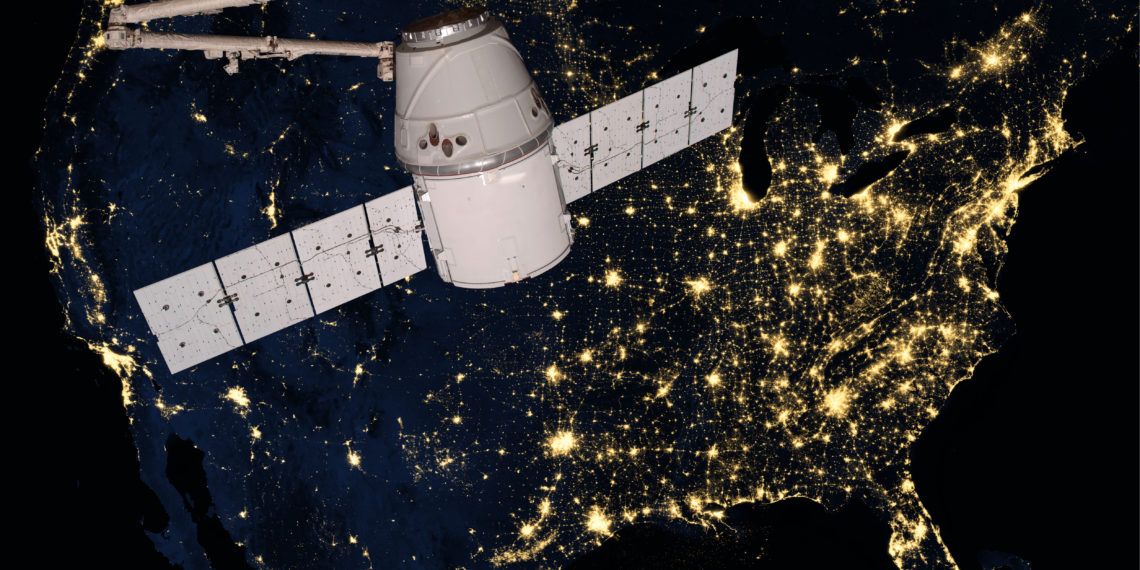
How SpaceX Rockets Can Help Blockchain
Luckily, the industry need not wait for Musk to become a spokesperson slash the most high-profile use case. However, there could be – depending on the company’s future policy on decentralization of its satellite tech – another purpose: Anti-censorship.
SpaceX will use mesh networks, formed by optical inter-satellite links that communicate with each other out in space to deliver gigabyte speed. SpaceX’s custom-designed satellites will circumvent the problems faced by traditional satellite internet providers: High latency, slow speeds, and strict data caps. But it could also mean more node freedom for bitcoins to continue roaming the planet unrestricted, safe from government clampdown.
Political climates around the world are precocious and activating internet kill switches are increasing in frequency. Should the blockchain industry be able to piggyback off of SpaceX’s mesh networks? This could provide the resilience the technology needs when internet infrastructures experience deliberate, government-mandated blackouts.
What are your thoughts on a future relationship between SpaceX and the blockchain industry? Do you think the company’s mesh network could be a viable alternative if networks shut down? Let us know in the comments below.
