


The European Union Parliament has taken a significant step by outlawing unidentified self-custody crypto wallets for making payments across the region.
A recent social media post by Patrick Breyer, an EU Parliament member, revealed that the ban received approval from most of the parliament’s leadership committee on March 19. This move is part of the EU’s broader anti-money laundering (AML) legislation.
How Europe’s New AML Regulations Impacts Crypto
The new regulations ban all anonymous crypto payments and cash transactions above certain limits. Specifically, they prohibit cash payments exceeding €10,000 or anonymous cash transactions beyond €3,000. The ban also targets self-custody wallets on mobile, desktop, or browser applications.
Although the law is slated to take effect in three years, there are suggestions that its implementation might be sooner.
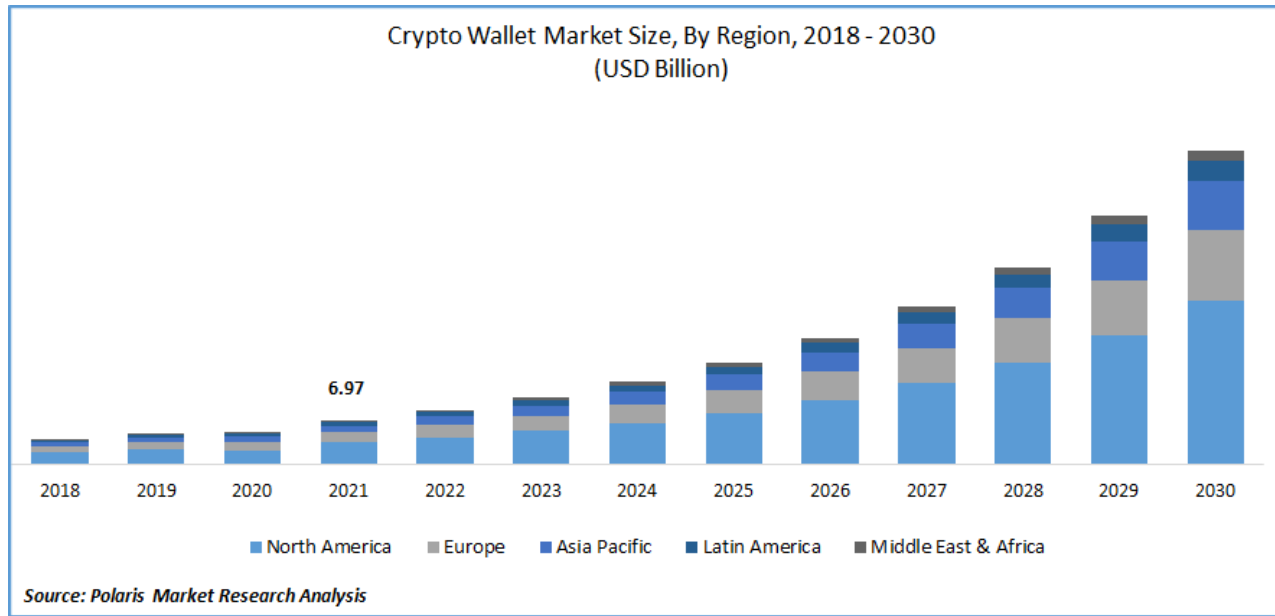
Nonetheless, the new regulation is set to reshape how Europeans engage with digital currencies. It has also triggered apprehensions regarding user privacy and financial inclusivity due to its stringent stance against anonymity. Additionally, the regulation could pose significant barriers to innovation and impede widespread crypto adoption in the region.
Read More: Crypto Regulation: What Are the Benefits and Drawbacks?
Breyer, a dissenting voice within the parliament, argued that the ban could impact law-abiding citizens rather than curbing criminal activities. He emphasized that anonymous payments have served legitimate purposes.
He cited examples such as donations to individuals like Alexei Navalny and organizations like WikiLeaks. Moreover, he highlighted the importance of financial privacy for personal transactions.
Crypto Community Questions EU’s Ban on Anonymous Payments
Breyer also expressed concerns that heightened surveillance of financial transactions could inadvertently facilitate malicious activities by hackers and encroach on individual freedoms.
“We need to find ways to bring the best features of cash into our digital future. We also have the right to be able to pay and donate in cryptocurrencies online without our payment behavior being recorded for no reason and personally. If the EU believes it can regulate virtual currencies on its own, it has not understood the global internet,” Breyer said.
Similarly, crypto community members have raised questions and concerns regarding the scope of the ban on anonymous payments. One user, in particular, sought clarification on whether the ban would extend to all cryptocurrencies or only those categorized as privacy coins.
Notably, several crypto exchanges, including Binance and OKX, have delisted several privacy-focused tokens for their users in Europe.
Read More: Top 8 Binance Card Alternatives Available in Europe in 2024
Meanwhile, Circle’s Director of Research and Policy, Patrick Hansen, explained that self-custody wallets and payments from such wallets were not banned. Additionally, peer-to-peer transfers are explicitly excluded from the regulation.
“Paying with crypto (for example to merchants) with a non KYC’d self custody wallet will be more difficult/banned depending on the merchants set up. This change, as well as the lower thresholds for anonymous cash payments, has unfortunately been agreed months ago,” he added.
