


In May, the Chinese government announced it would take control of one of the country’s failed commercial banks. Now there’s a second bank that requires a bailout from one of the republic’s state-owned banks. More than the immediate repercussions for the Chinese economy, this spells significant for the global economy at large.
People’s Bank of China Saves Baoshang Bank, ICBC Rescues Bank of Jinzhou
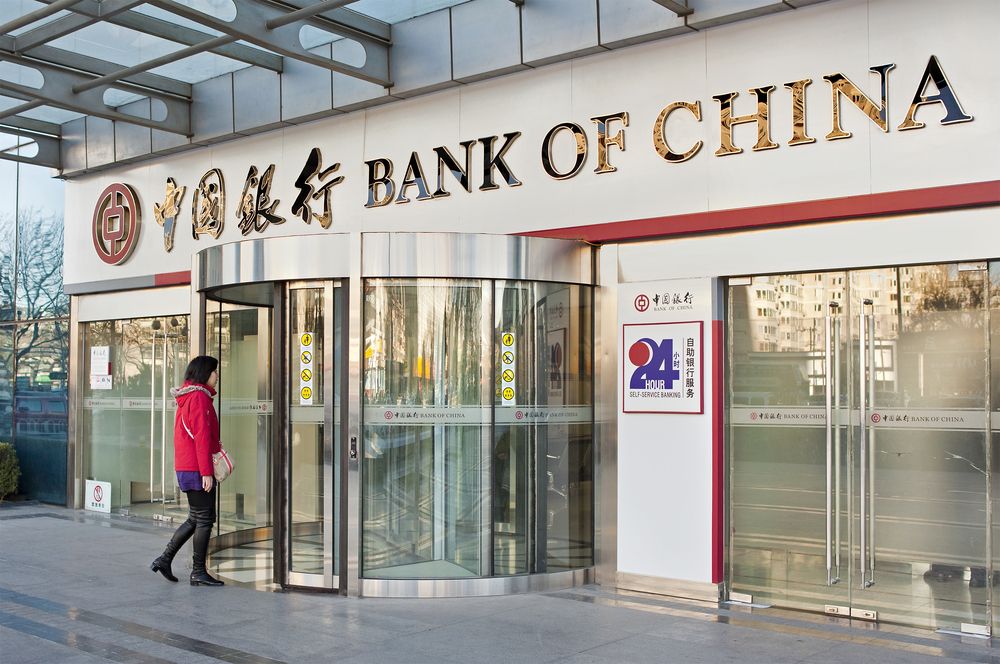
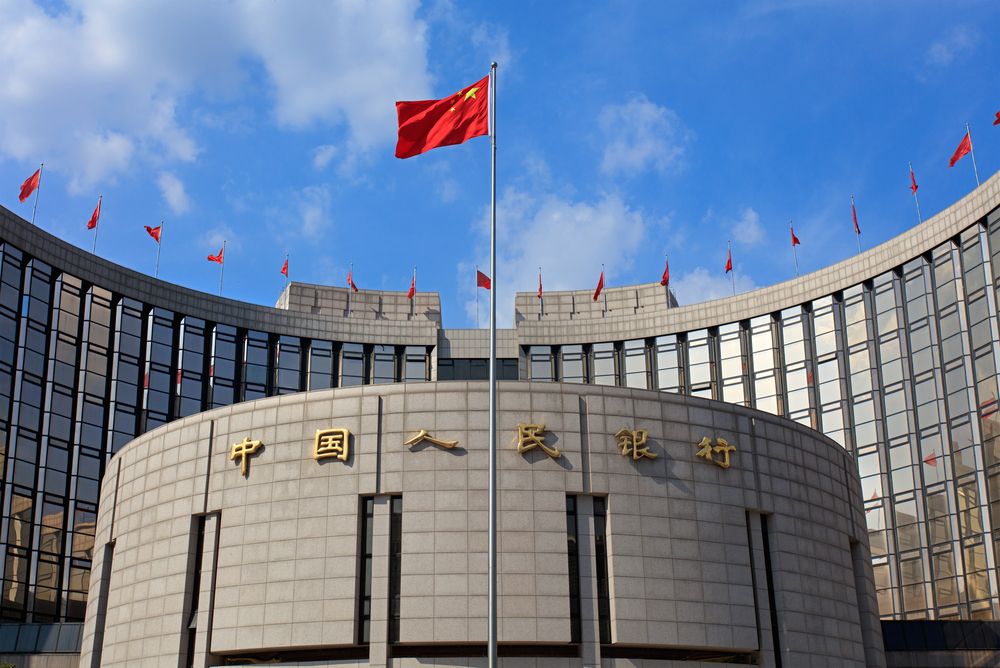
Earlier this year, the state – through the People’s Bank of China – took control of regional lender Baoshang Bank, the first such action concerning a commercial bank in 20 years. On its heels came the latest reports that the government is extending a lifeboat to another regional creditor, the Bank of Jinzhou. The bank holds $100 billion in assets.
China is home to the world’s four largest banks (by total assets). The country’s biggest bank is the Industrial and Commercial Bank of China (ICBC). It has been the largest public company in the world by total assets for seven years running. The rest of China’s banking Big Four are also on the top 10 list. In China, banking is big business. State-owned ICBC is the custodian to over $4 trillion in assets and employs nearly half a million people.
ICBC will reportedly pour up to $436 million (3 billion yuan) into the Bank of Jinzhou. An additional two state-owned banks will also invest in return for equity. These banks – China Cinda Asset Management and China Great Wall Asset Management – were set up in 1999. This was done in a bid to deal with toxic assets originating from the Big Four banks.
China’s Banking Ecosystem is a Domino March
For years now, people have been speculating that Chinese banks’ no-questions-asked proclivity to extend credit and grant loans would bring the economy to its knees. Now, coinciding with a trade war with the US in full swing, private Chinese banks are collapsing.
In April, the Hong Kong Stock Exchange suspended Bank of Jinzhou’s shares. The bank failed to publish its annual report, citing “delays”. Their auditor, international auditing firm Ernst and Young, also ended the relationship. In 2015, Jinzhou was involved in a probe by the Hong Kong Securities & Futures Commission into the Hanergy Group. The bank had to postpone its IPO after the energy company it extended a $1.29 billion (8 billion renminbi) credit line to, collapsed.
Jinzhou and Boashang are both on a list of various Chinese banks that delayed disclosure of 2018 financial statements. Of these, the two collapsed banks were in the top 4 of banks with the most assets. Experts feel this may indicate an impending insolvency crisis across the country.
China Learning to Fail is Failing to Learn
China is no stranger to government rescues. Mere days ago, reports released information that another state-owned bank, China Construction Bank, will inject $291 billion (2 trillion yuan) into one of China’s central provinces. The province, Hunan, is infamous for its inability to manage provincially allocated and raised finances.
Over and above the relatively baseless ease with which lenders issue loans, China’s shadow banking sector is another force to reckon with. ICBC itself was embroiled in the failure of Credit Equals Gold #1 Collective Trust Product. Instead of allowing the fund to default, an anonymous third party stepped in to return investors’ initial investments. This temporarily saved the day but prevented the Chinese market from learning a valuable lesson in investing in high-risk ventures. Clear from this year’s banking bailouts, the country might be similarly preventing economic evolution by cushioning blows.

China’s Problem is Everyone’s Problem
China is a relatively young modern economy and is apt to make mistakes more mature markets have already learned from. But China is by and large following the Western economic model of issuing money out of thin air, which eases bailout decisions. The larger issue here is the prevalence of wonky economic practices.
The global economy has not taken on board the lessons from the 2008 market crash and is readying itself for another recession. We’re spending money we don’t have and replenishing our stock by creating Monopoly money. The domino effect will be felt everywhere. China is but one case study. Fractional reserve banking is a tightrope with no safety net. There’s not a single country immune to a fall.
China’s current banking events is highlighting that economies are fallible things. In an age where more money is created by switching on the printing press, the finance world is operating on a house of cards.
Do you think these events are harbingers of larger economic catastrophes in China and abroad? Let us know in the comments below.
