

Bitcoin’s often-cited “Ramadan rally” setup may be fading in 2026. However, the volatility pattern many traders have watched in recent years still appears to be present.
To be clear, the holiest month in Islam has nothing to do with digital assets. Crypto trades on global liquidity, macro news, positioning, and sentiment.
Still, when looking at the last seven Ramadan periods (2019–2025), Bitcoin showed a surprisingly consistent shape in six of seven cases: an early sharp move, then choppy trading, then a later pullback or fade. The main exception was 2020, when a stronger macro recovery trend dominated.
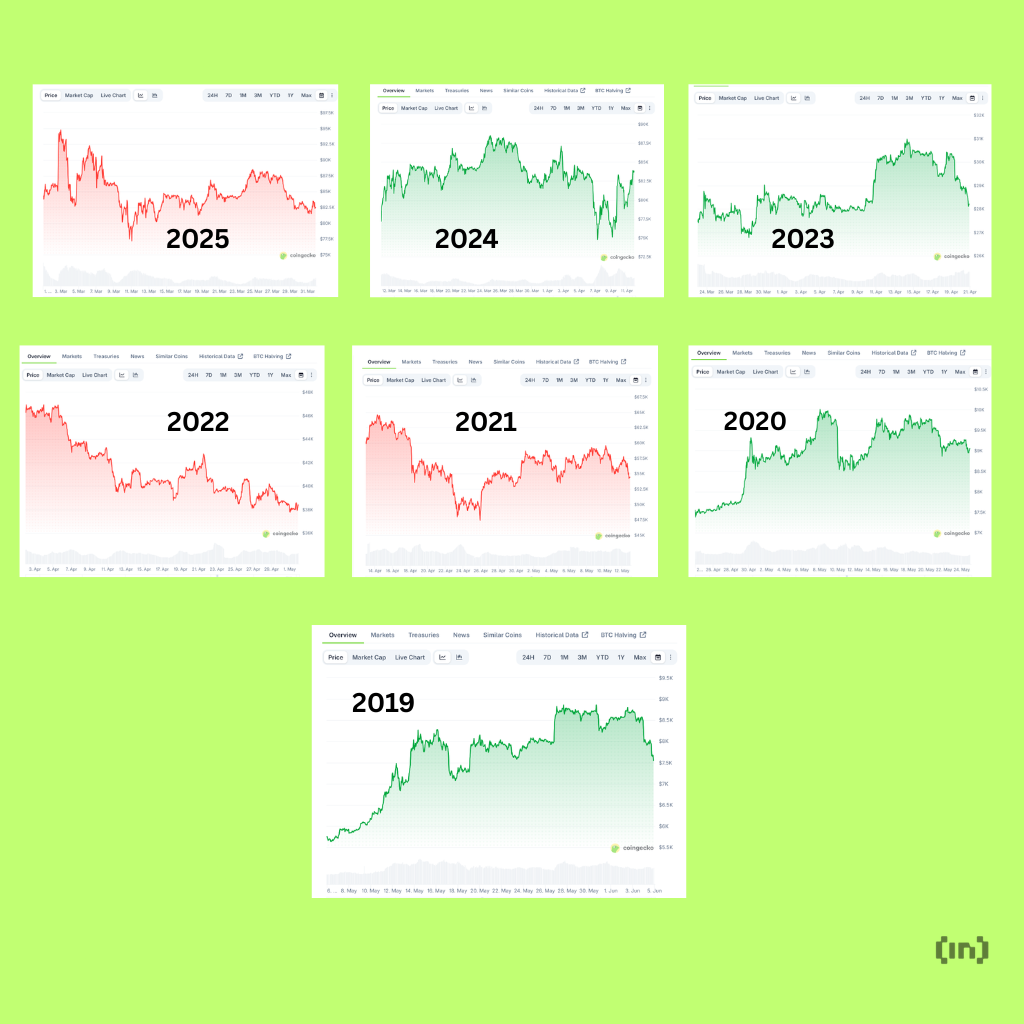
What the Last Seven Ramadans Showed
The pattern was not “Bitcoin always goes up in Ramadan.” That is not true.
Instead, the recurring pattern was more specific: Bitcoin often saw front-loaded volatility, usually with a strong early move, followed by mid-period exhaustion and a weaker finish. In some years, Bitcoin still ended Ramadan higher overall. But even then, price often pulled back after a mid-Ramadan peak.
That makes this less of a directional pattern and more of a timing-and-structure pattern.
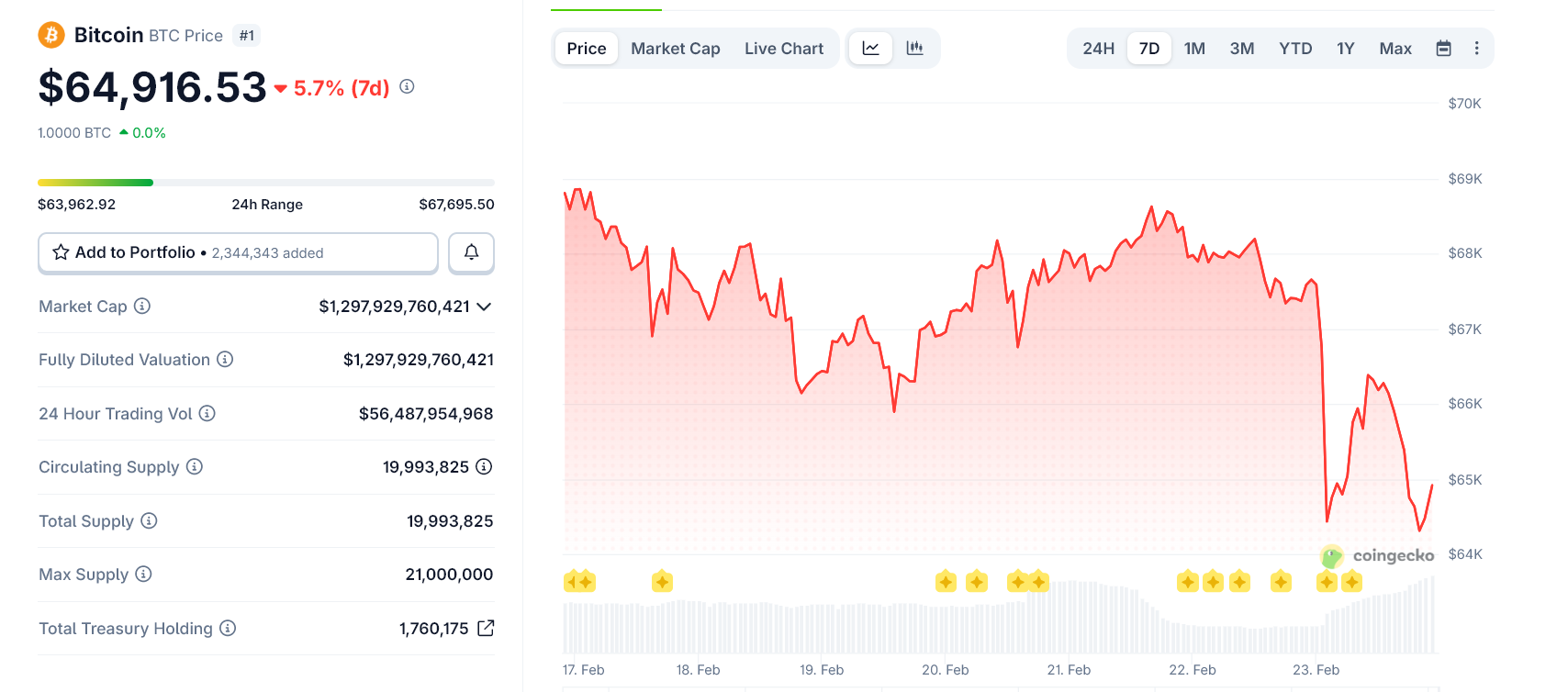
What Looks Different in 2026
This year’s first week looks different in one important way. Bitcoin did not open with a clean rally. It opened with chop, then a sharp flush, and only after that started a bounce attempt.
That means the pattern is still familiar in shape — fast move, emotional swing, unstable recovery — but the sequence has changed. The market looks weaker than the stronger Ramadan years, at least so far.
On-Chain Data Shows Why Bitcoin Remains Weak in Q1
The on-chain picture is mixed.
First, the Binance Buying Power Index has dropped to a level that previously appeared near compressed, exhausted conditions.
That is a contrarian positive. It suggests a relief bounce can happen if selling pressure fades.
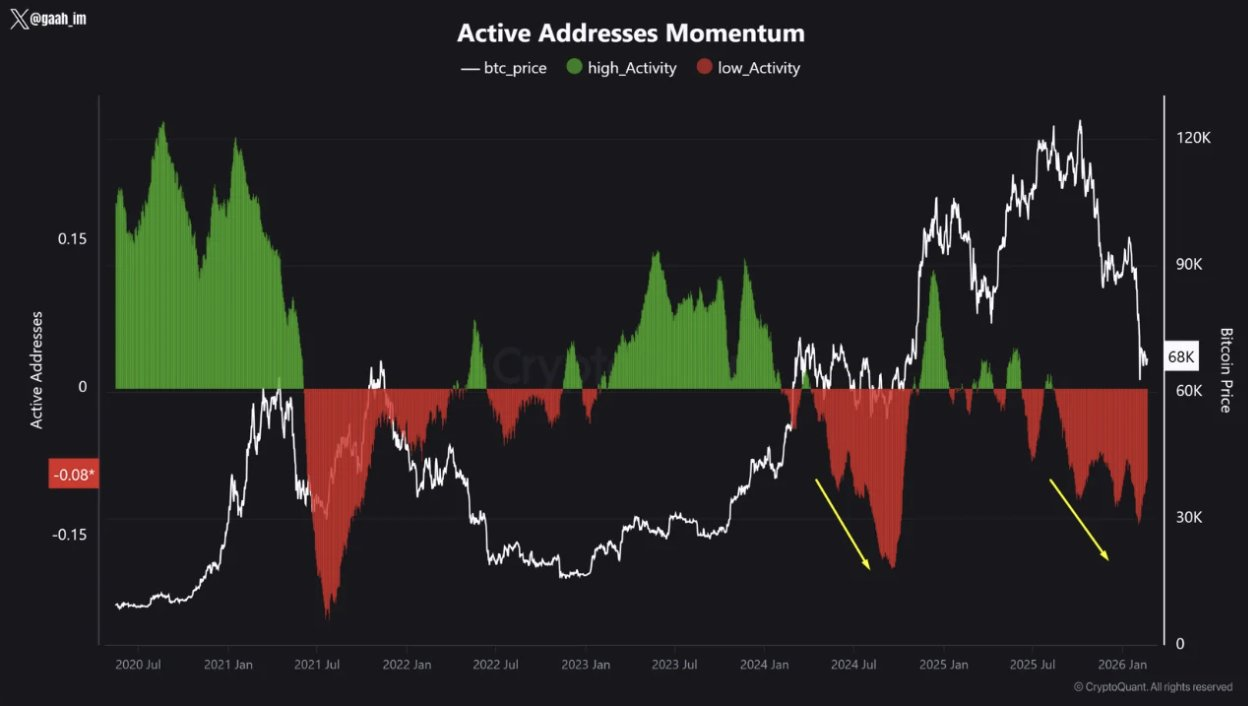
Also, network activity has stayed weak for six straight months. That is a structural warning. It suggests demand and participation remain soft, which can make rallies fragile.
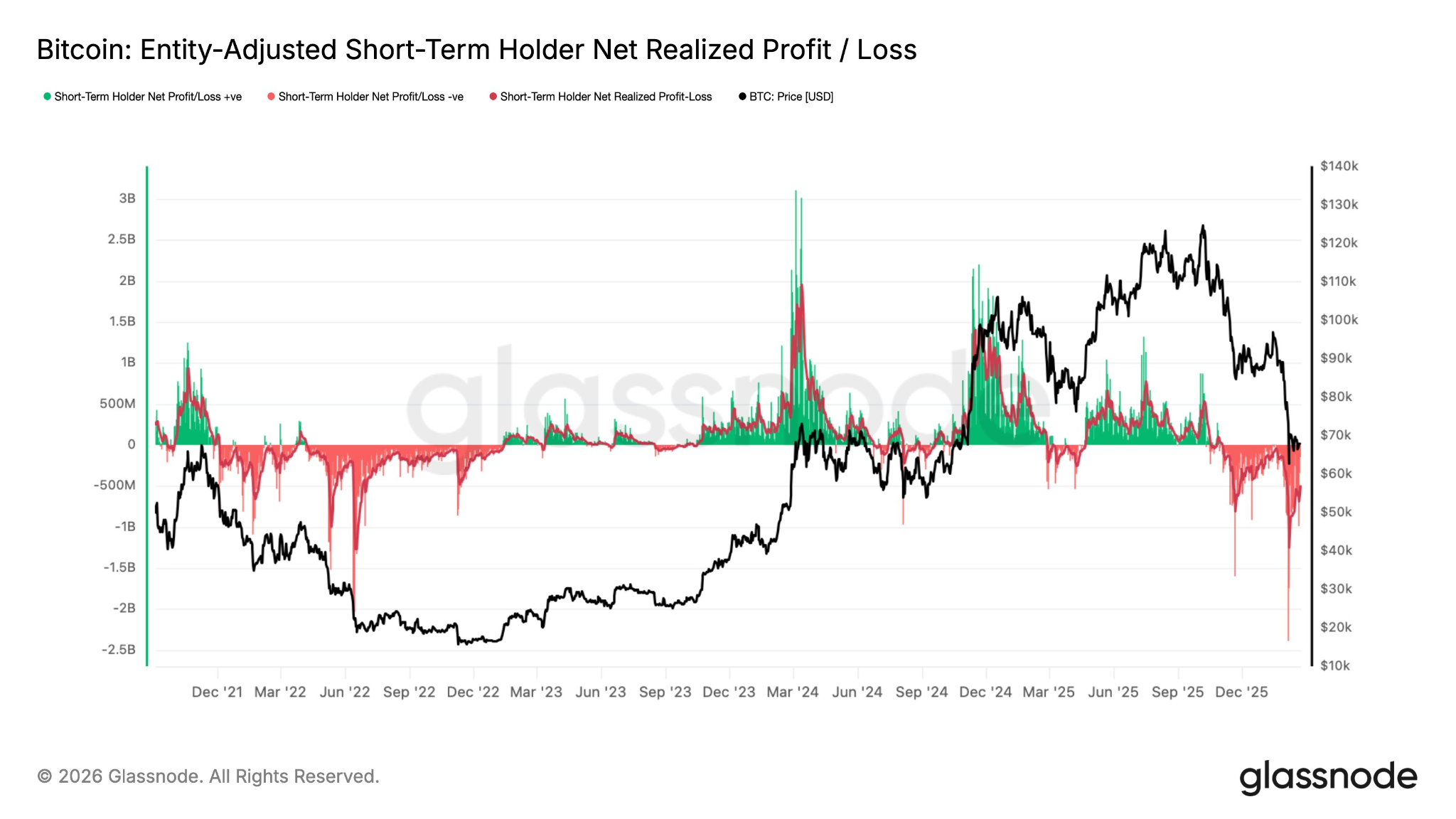
Third, short-term holder realized losses remain negative, even after the worst capitulation cooled.
In simple terms, panic selling has slowed, but many recent buyers are still exiting at a loss. That usually points to base formation, not a confirmed uptrend.
Overall, a relief bounce or choppy recovery attempt is plausible for Bitcoin in the coming weeks, especially if the Binance buying power signal plays out.
But the on-chain demand + STH P/L backdrop suggests that upside may initially be fragile and resistance-heavy.
In short, the old Ramadan “rally” narrative looks weaker in 2026. Yet the broader pattern of early volatility, sharp swings, and uncertain follow-through remains visible.
