

New survey shows Americans are not drifting toward crypto just because they want to get rich fast. Many are moving there because the old path to financial security feels slower, weaker, and further out of reach.
Northwestern Mutual’s new study found that many Americans using or considering speculative assets such as crypto, prediction markets, and sports betting say they are doing so because they feel financially behind.
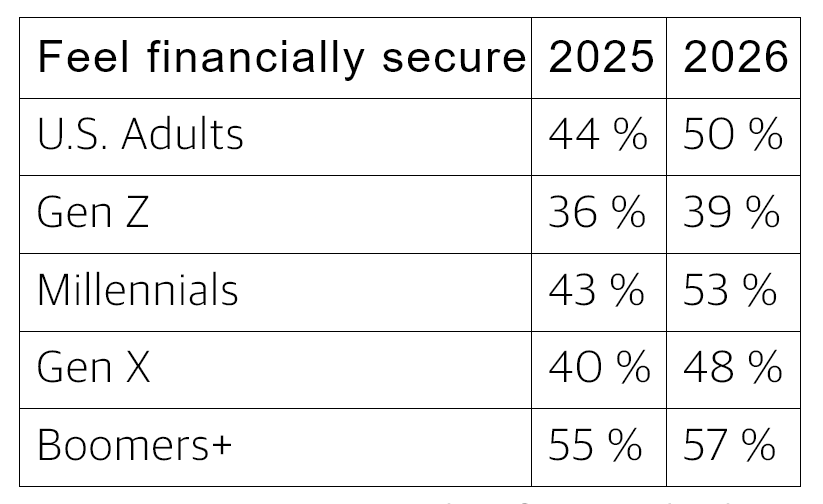
New Age of Financial Nihilism and Depression for Gen Z Americans
Among those considering these instruments, 73% said they believe high-risk assets offer a faster path to their goals than traditional methods.
For Gen Z, that rises to 80%. Meanwhile, more than 30% of Gen Z and millennials said they are invested in or considering crypto in 2026.
This is where financial nihilism comes in.
Financial nihilism is the belief that traditional wealth-building no longer works fast enough, or well enough, for ordinary people.
Saving slowly, buying a home, investing conservatively, and waiting decades for stability starts to look unrealistic. When people stop believing the system can deliver progress, they begin taking larger risks.
The Data Behind America’s Cost-of-Living Squeeze
The wider economic backdrop helps explain why.
Yes, inflation has cooled. US consumer prices rose 2.4% in the 12 months through January 2026, down from 2.7% the month before.
Real average hourly earnings also rose 1.2% over the year, and nominal weekly wages outpaced inflation. On paper, that looks like improvement.
But households do not live on headline inflation. They live on rent, groceries, utilities, debt payments, and medical bills.
A February survey found 87% of Americans believe the US is in a cost-of-living crisis. More than half of all Americans struggle to pay bills such as rent on time, and 50% said they struggle to afford necessities like groceries.
A separate report found 53% of US adults have just enough money to maintain their standard of living, while many say healthcare, energy, and groceries are out of budget.
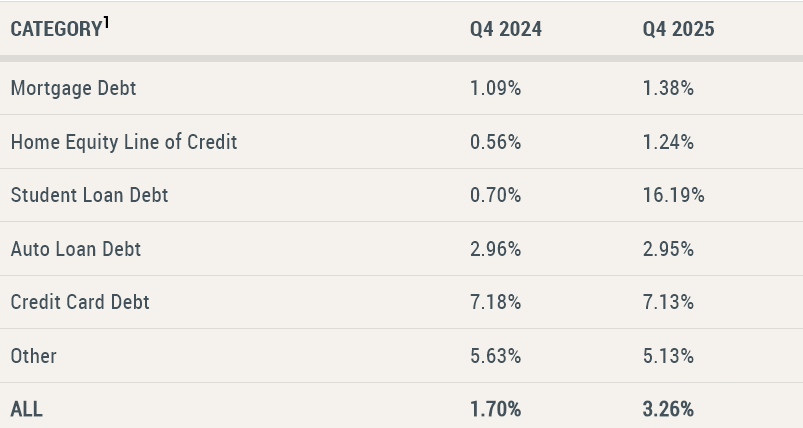
Debt tells the same story. New York Fed data showed credit card balances hit $1.28 trillion at the end of 2025, up $44 billion in a single quarter.
The Fed’s consumer credit data also show revolving credit kept growing in January, while credit card interest rates remained above 20%.
Housing remains another pressure point. Zillow said the typical US rent in February stood at $1,895, a yearly increase of nearly 2%.
Also, two in three renters do not believe they can buy a home they want in the foreseeable future.
So the crypto story here is not simple greed. It is frustration.
When Americans feel they are working, earning, and still falling behind, speculative assets start to look less like reckless bets and more like catch-up trades. That does not make the logic safe. But it does make it understandable.
